
12 publishers rejected Harry Potter and the Philosopher’s Stone before Bloomsbury said yes, according to the most repeated version of the story.
Some accounts put the number at 8.
Either way, the book that went on to sell hundreds of millions of copies nearly stayed in a drawer, and an 8-year-old girl helped get it out.
The manuscript goes out
J.K. Rowling finished the first book in Edinburgh around 1995, typed on a manual typewriter.
She found an agent, Christopher Little, who sent sample chapters to publishers in London.
The answers came back as no.
Reasons reported over the years include that the book was long for a children’s novel and that children’s books did not make money.


John Stankey and J.K Rowling attend HBO’s “Finding The Way Home” World Premiere – @Getty
Rowling has never named the publishers that passed.
She still has the Potter rejection letters in a box in her attic, she said in 2016.
Alice Newton, aged 8
Little took a sample to Bloomsbury, then a small London house with a new children’s list.
Chairman Nigel Newton brought the chapters home to his daughter Alice.
They had the chapters up to Diagon Alley.
Newton told Reuters that Alice came downstairs about an hour later and said: “Dad, this book is better than anything you’ve shown me.”
She also wrote a short reader’s report, now part of the British Library’s Harry Potter history.
Its opening line: “The excitement in this book made me feel warm inside.”
The next day, Newton approved editor Barry Cunningham’s proposal to publish.
Alice pestered him for the rest of the manuscript for weeks afterwards.
How big was the advance? Reports disagree. In a lecture, Newton said his team asked him to authorize £1,500, and that Rowling’s agent pushed for more.
Other accounts put the final figure at £2,500, and some say £3,000 or £3,500.
Whatever the exact number, it was small.
In 1997 Rowling also got an £8,000 grant from the Scottish Arts Council to keep writing.
“You’ll never make any money”
Cunningham is famous for the advice he gave her.
Biographies quote him telling her: “You’ll never make any money out of children’s books, Jo.”
He has since said he meant it kindly.
He was worried about a single mother on benefits with no job, so he suggested she get one.
Rowling holds no grudge.
She has said that without Cunningham, “Harry Potter might still be languishing in his cupboard under the stairs.”
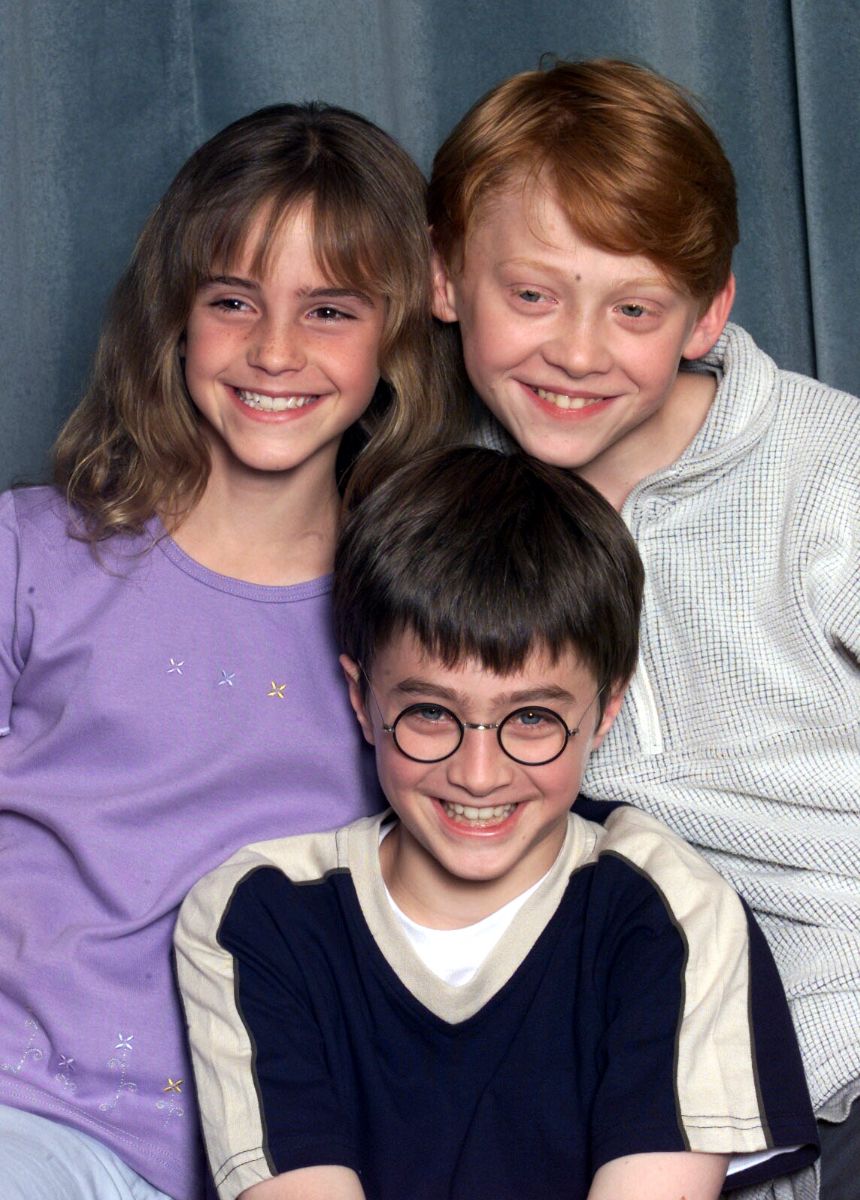
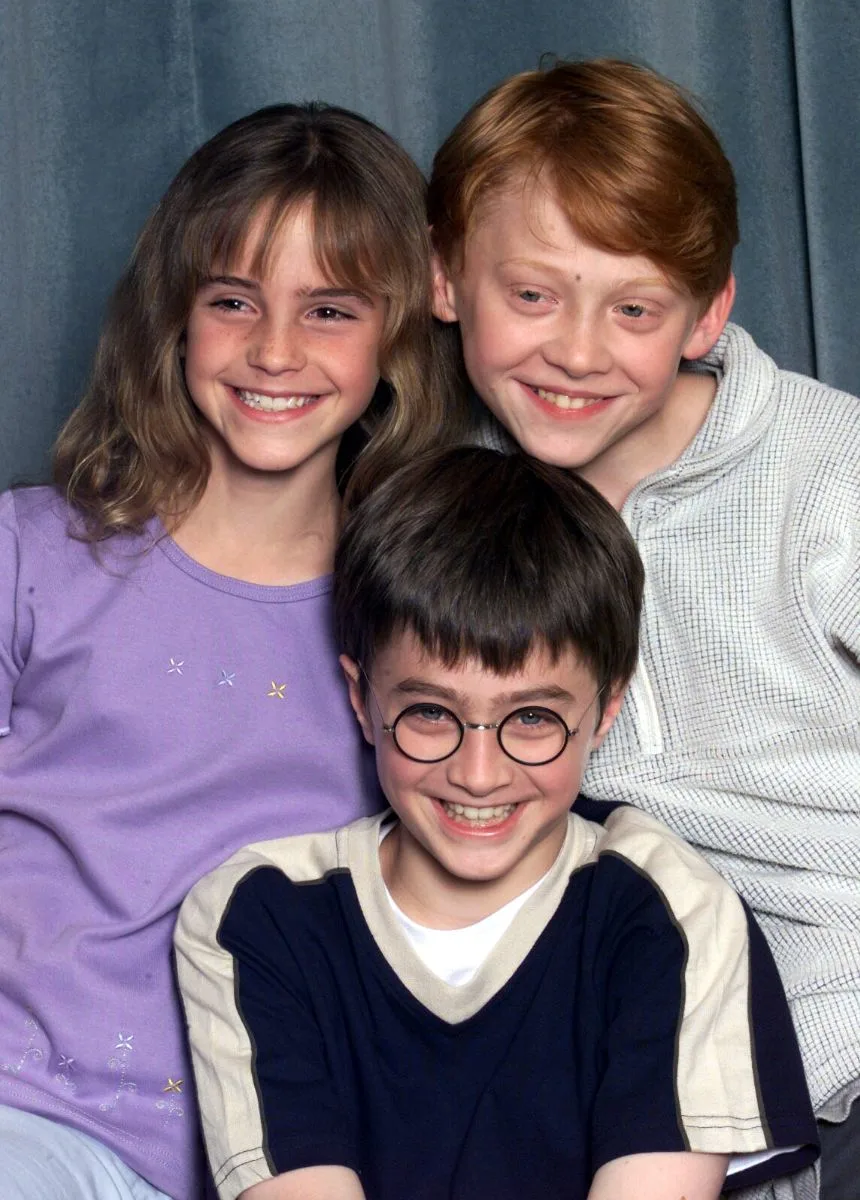
Emma Watson, Rupert Grint and Daniel Radcliffe attend a photocall to present the new cast of the Harry Potter Films, London, August 23, 2000 – @Getty
And she agreed with him at the time. In a 2000 interview with CBS News, she said: “I was totally realistic about what writing children’s books involved.”
Cunningham remembers her first question to him.
She asked how he felt about sequels, and he was stunned to learn she had the whole series planned.
June 26, 1997: Harry Potter and the Philosopher’s Stone came out on June 26, 1997.
The first print run is reported at 500 hardbacks, and a first edition sold for £43,750 in 2016.
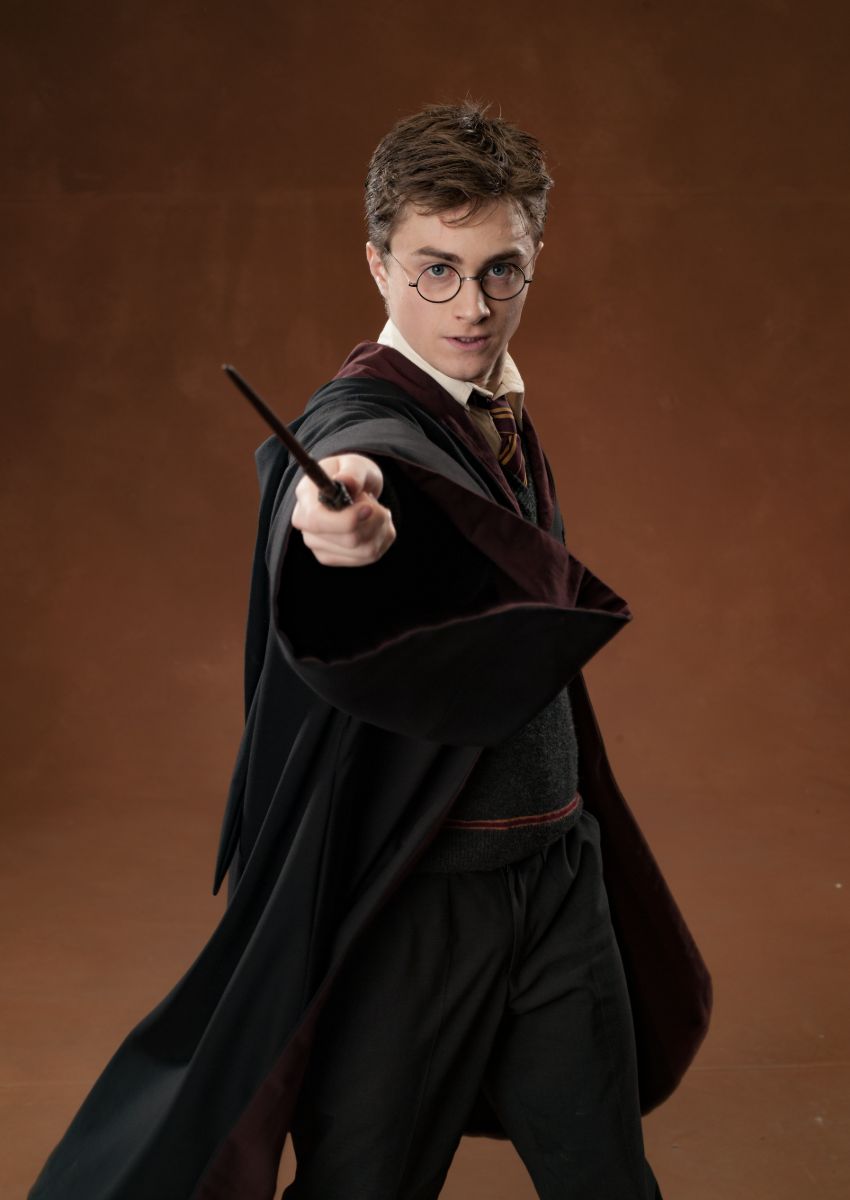
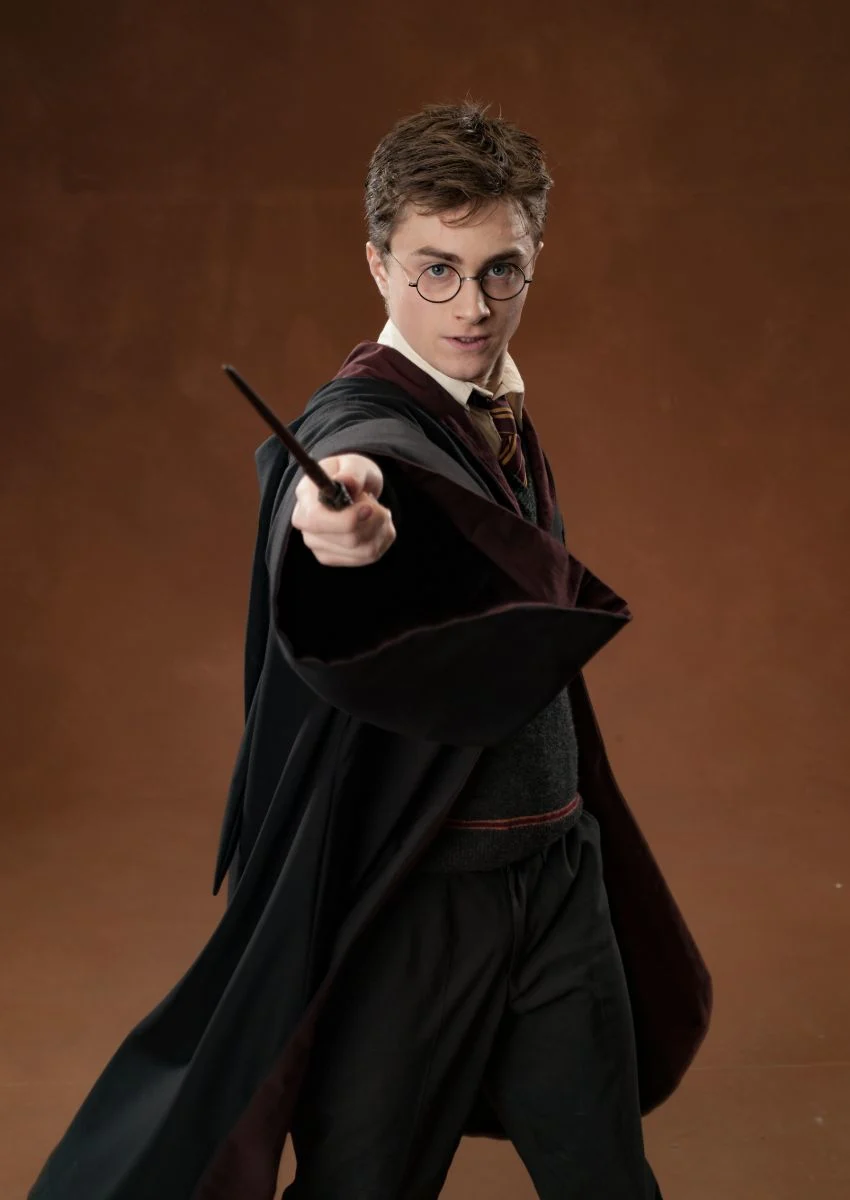
Helena Daniel Radcliffe on the set of the film, ‘Harry Potter and The Order of the Phoenix’, London, England, 2006 – @Getty
The cover was painted by illustrator Thomas Taylor, who got a call from Cunningham asking if he wanted to do the cover for a new author nobody had heard of.
Rowling told CBC in 2000 that the day her agent phoned to say Bloomsbury had made a deal was the second happiest moment of her life, after her daughter’s birth.
What Rowling did with her rejection letters
She kept them close.
In 2016 she told fans on Twitter: “I pinned my 1st rejection letter to my kitchen wall.”
She said it made her feel she had something in common with her favourite writers.
She also admitted the fear was real: “I wasn’t going to give up until every single publisher turned me down.”
That same day she posted 2 rejection letters, from a different book.
When Rowling sent out The Cuckoo’s Calling under the pen name Robert Galbraith, publishers also rejected it, including Constable & Robinson and Severn House’s crime imprint.
She posted the letters “For inspiration, not revenge, so I’ve removed signatures.”
The best detail came in a reply.
The publisher that first rejected Harry Potter also rejected Galbraith, and in her words “sent @RGalbraith his rudest rejection (by email)!”
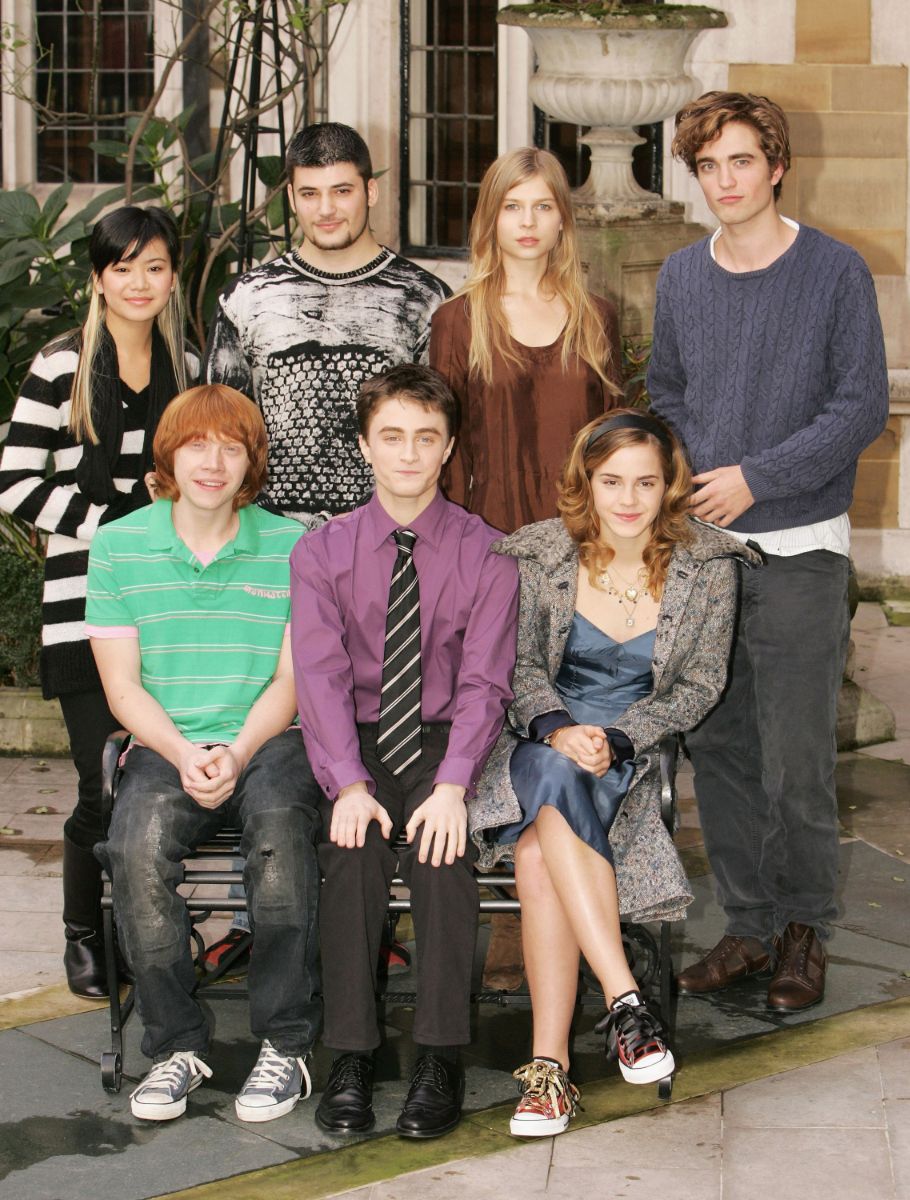
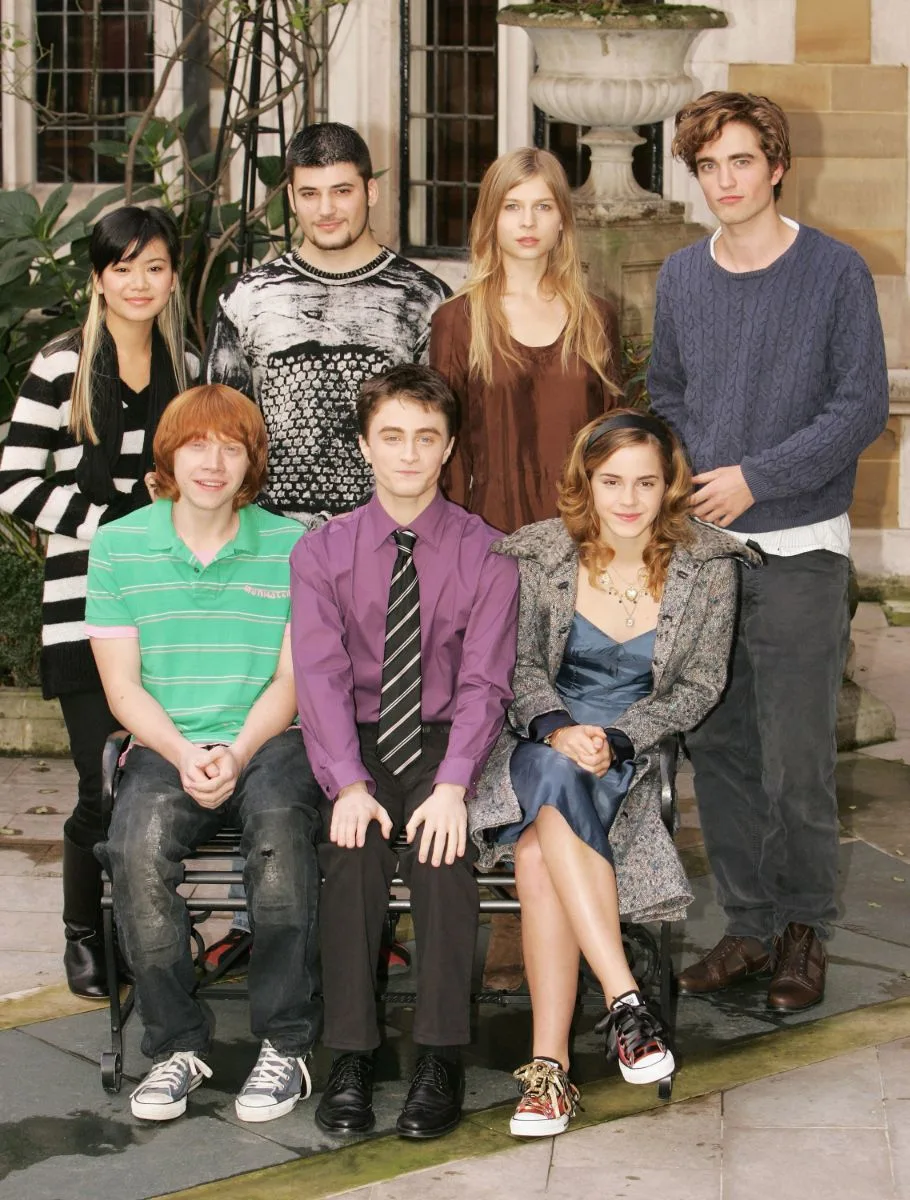
Katie Leung, Stanislav Ianevski, Clemence Poesy, Robert Pattinson, Rupert Grint, Daniel Radcliffe and Emma Watson attend the photocall for “Harry Potter And The Goblet Of Fire” 2005 – @Getty
Little, Brown published The Cuckoo’s Calling in 2013. The Sunday Times revealed Rowling as the author that July, and the book shot up the bestseller charts.
So how many publishers rejected Harry Potter? The usual answer is 12, with 8 in a few sources. The number I find more interesting is 1: a girl which got through 3 chapters and asked for more.
READ THIS NEXT: Why Harry Potter Shares J.K. Rowling’s Birthday


I am Bulgarea Candin Stefan, and I founded FamousPeopleToday.com in 2018. I’m using my bachelor’s degree in economics and 9 years of experience in blogging to guide millions of people through the incredibly complex world of celebrity net worths.